Research Triangle Park
Research Triangle Park, created in 1959 by state and local governments, the universities and local business leaders, is the largest research park in the United States at 7,000 acres. It hosts more than 300 companies with about 55,000 workers plus 10,000 contractors, including IBM, GlaxoSmithKline and Cisco, and the park is bounded by Raleigh, Durham, Chapel Hill, Morrisville and Cary. Hub RTP, a 100-acre mixed-use center, broke ground in September 2020. Source
RDU International Airport
Raleigh-Durham International Airport sits directly north of Cary on 5,000 acres with three runways. It served a record 15.6 million passengers in 2025, with 24 carriers flying to more than 90 destinations, including 15 international cities. Construction of a new 10,639-foot runway began in October 2023, and the airport says it is investing $2.5 billion over ten years in a bigger terminal, more parking and new roadways. Source
Three research universities
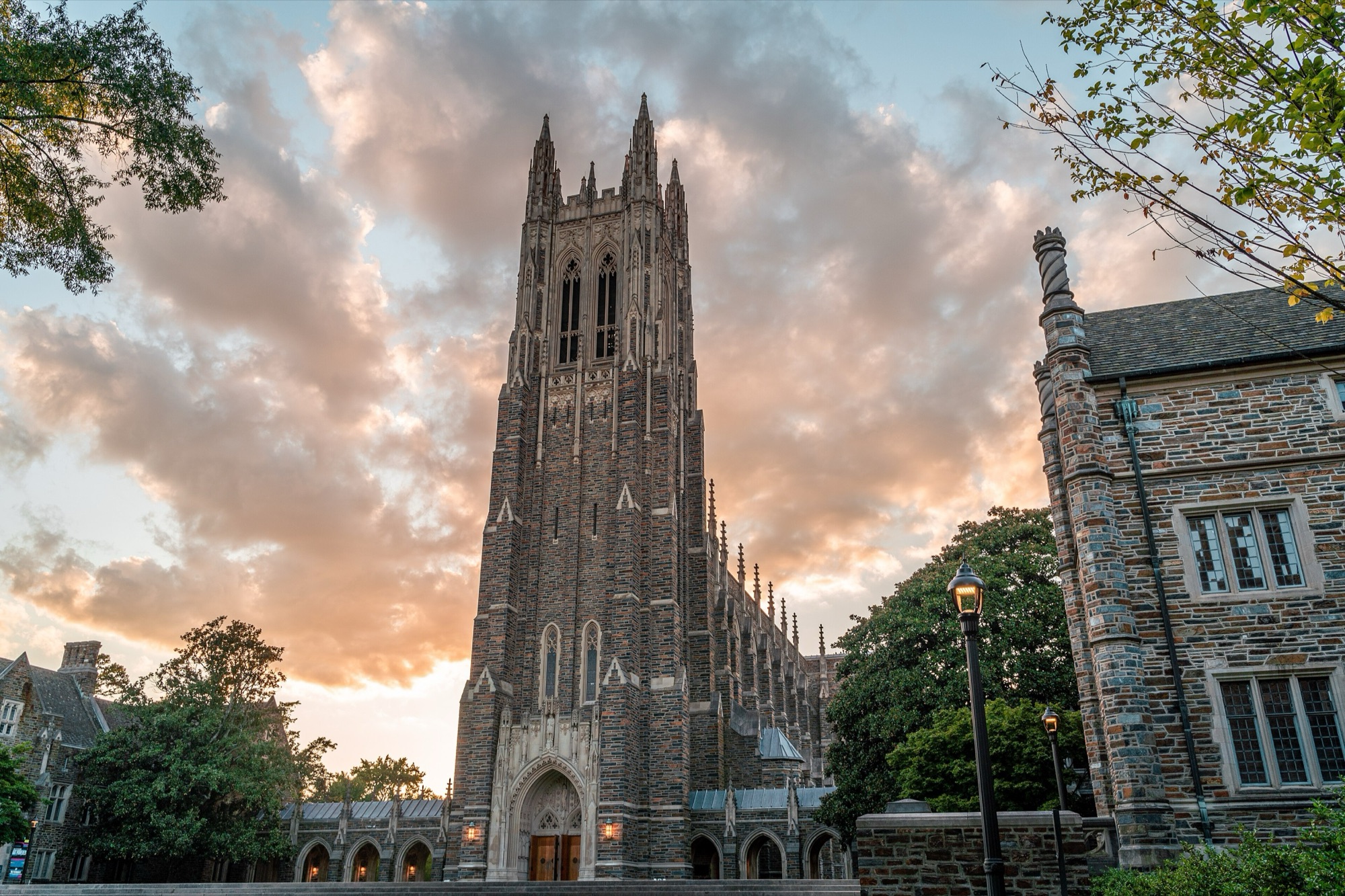
The Triangle takes its name from NC State in Raleigh, Duke in Durham and UNC in Chapel Hill, the three universities that frame Research Triangle Park. NC State, founded in 1887, is the largest university in North Carolina; UNC opened to students in 1795; and Duke counts 16 Nobel laureates among its students and faculty. From Cary, downtown Durham and Chapel Hill are each about 20 miles away, and Raleigh is next door. Source
Who employs the Triangle
SAS Institute, the world's largest privately held software company, keeps its 25 buildings on a 900-acre park-like campus in Cary; the company grew from $10 million in revenue in 1980 to $3.2 billion in 2022. Epic Games, maker of Unreal Engine and Fortnite, has been headquartered in Cary since 1999. Other technology employers in town include ABB, Garmin, HCLTech, Lockheed Martin and Xerox, and Lenovo's operational headquarters is in neighboring Morrisville. Source
Highways and the Triangle Expressway
Interstate 40, the Durham Freeway and NC 540 cross Research Triangle Park, and US 1 and US 64 carry Cary and Apex traffic toward Raleigh. The Triangle Expressway is North Carolina's first modern toll road and one of the first in the country built for all-electronic tolling, with no toll booths. Its three segments total 32.4 miles: the Triangle Parkway opened in December 2011, and the Western Wake Freeway from NC 55 at RTP to NC 55 in Holly Springs opened in two stages in 2012. Source
Trains and buses
Amtrak's Floridian, Carolinian and Piedmont trains stop at Cary Station in downtown Cary, which reopened after a $2 million expansion on September 1, 2011, and now anchors the GoCary bus network. GoTriangle runs regional bus and shuttle service, vanpools and an emergency ride home program across the Raleigh-Durham-Chapel Hill area, including Apex, Cary, Morrisville, RDU and Research Triangle Park. Source
Growth and cost of living
Wake County counted 1,129,410 residents at the 2020 census, the most of any North Carolina county, and Cary is its largest town. Cary's median household income of $113,782 tops the county figure of $88,471 and the state's $60,516, and the median value of an owner-occupied home was $404,300 between 2017 and 2021. The town adds that 68.4 percent of its adults hold a bachelor's degree or higher. Source
Outdoor life
Cary maintains 82 miles of greenways and trails and more than 200 miles of bike-friendly roads and paths, and was among the first Bicycle-Friendly Community award winners in 2010. The 23-mile American Tobacco Trail passes through town, William B. Umstead State Park's 5,442 acres lie between Cary, Raleigh and Durham, and Jordan Lake, a 13,940-acre reservoir with 180 miles of shoreline, abuts western Cary and supplies the town's drinking water. Source
General information with links to the source of each fact. Figures change, so confirm the current numbers with the agency or company named.